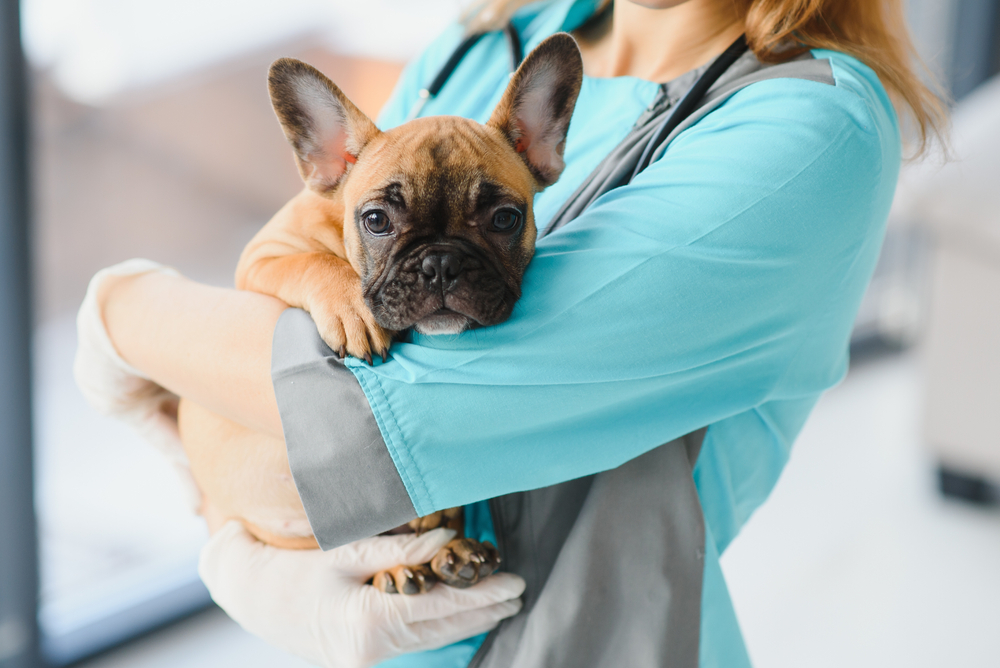
Emergency Care

Pet emergencies can strike without warning, turning an ordinary day into a race against time. Whether your dog has been hit by a car, your cat is struggling to breathe, or your pet has ingested something toxic, you need immediate access to professional emergency veterinary care.

At Stonelake Animal Hospital in Elk Grove, CA, we provide urgent and emergency care services during our regular business hours, giving pet owners peace of mind knowing expert help is available when their beloved companions need it most. Dr. Amoldeep Singh Toor and our dedicated veterinary team understand that emergency situations are overwhelming, and we’re here to guide you through every step of the process with compassion and expertise.

Book Appointment

Understanding Emergency Pet Care

Many pet owners struggle to determine whether their pet needs urgent care or emergency care, especially during stressful situations when their companion is in distress. Urgent care addresses non-life-threatening conditions that cannot wait for a regular appointment, such as diarrhea, vomiting, limping, ear infections, or loss of appetite. Emergency care, however, involves potentially life-threatening situations requiring immediate intervention, including collapsing, seizures, deep wounds, difficulty breathing, or heatstroke.

Understanding this distinction helps you make informed decisions about your pet’s care and ensures they receive appropriate treatment at the right time. While both situations require veterinary attention, emergency conditions demand immediate action to prevent serious complications or death.

Why Emergency Pet Care Matters

Rapid Stabilization of Critical Conditions

Emergency veterinary care focuses on quickly stabilizing pets experiencing life-threatening situations like shock, severe dehydration, or cardiac distress. Trained professionals can immediately implement interventions such as IV fluid therapy, oxygen support, or cardiac monitoring to restore your pet’s vital functions. This rapid response significantly increases survival rates and prevents permanent organ damage that could occur without immediate treatment.

Advanced Diagnostic Capabilities

Emergency care facilities have immediate access to sophisticated diagnostic equipment including digital X-rays, ultrasound machines, and laboratory testing that can quickly identify internal injuries or diseases. These tools allow veterinarians to diagnose conditions like internal bleeding, organ dysfunction, or poisoning within minutes rather than hours. Quick diagnosis leads to faster treatment decisions and better outcomes for critically ill or injured pets.

Specialized Emergency Procedures

Emergency veterinary teams are trained to perform life-saving procedures that general practice appointments cannot accommodate, such as emergency surgery, wound repair, or toxin removal. These specialized skills become crucial when your pet faces trauma from accidents, animal attacks, or ingestion of dangerous substances. Having access to these emergency procedures can mean the difference between recovery and permanent disability for your pet.

Coordinated Multi-System Treatment

Emergency care addresses multiple health issues simultaneously when pets present with complex conditions affecting various body systems. For example, a pet hit by a car may have broken bones, internal bleeding, and neurological trauma that all require immediate attention. Emergency veterinarians coordinate comprehensive treatment plans that prioritize the most critical issues while managing secondary complications effectively.

Prevention of Secondary Complications

Immediate emergency intervention prevents the cascade of secondary health problems that often develop when serious conditions go untreated. Early treatment of conditions like bloat, poisoning, or severe infections stops the progression to organ failure, sepsis, or other life-threatening complications. This proactive approach not only saves lives but also reduces long-term health consequences and associated treatment costs.

Our Emergency Pet Care Process

Emergency Triage and Assessment

When you arrive with your pet in crisis, our veterinary team immediately evaluates the severity of your pet’s condition using established triage protocols. We check vital signs, assess breathing patterns, and examine for obvious injuries or signs of distress to determine treatment priority. This systematic approach ensures that pets with the most critical conditions receive immediate attention while less urgent cases are monitored closely.

Diagnostic Testing and Evaluation

Our emergency care protocol includes rapid diagnostic testing to identify the underlying cause of your pet’s condition and guide treatment decisions. We may perform blood work, X-rays, or other diagnostic procedures to assess organ function, detect internal injuries, or confirm suspected conditions like poisoning. These tests provide essential information that helps us develop the most effective treatment strategy for your pet’s specific emergency.

Emergency Treatment Implementation

Once we’ve identified your pet’s condition, our veterinary team begins immediate treatment to address life-threatening symptoms and stabilize their condition. This may involve administering emergency medications, providing fluid therapy, performing wound care, or conducting urgent surgical procedures. Throughout treatment, we continuously monitor your pet’s response and adjust our approach to ensure the best possible outcome.

Stabilization and Monitoring

After initial emergency treatment, we focus on stabilizing your pet’s condition through careful monitoring of vital signs and treatment response. Our team tracks breathing, heart rate, temperature, and other critical indicators to ensure your pet remains stable during recovery. This monitoring phase is crucial for detecting any changes that might require additional intervention or treatment adjustments.

Recovery Planning and Discharge Instructions

Before your pet goes home, we develop a comprehensive recovery plan that includes detailed instructions for continued care at home. We explain medication schedules, activity restrictions, feeding guidelines, and warning signs that would require immediate return for additional emergency care. This thorough discharge planning helps ensure your pet’s continued recovery and reduces the risk of complications after leaving our facility.

Why Choose Our Veterinary Approach to Emergency Care

Stonelake Animal Hospital combines years of veterinary expertise with genuine compassion for pets and their families during emergency situations. Dr. Amoldeep Singh Toor and our experienced team understand that pet emergencies are frightening experiences that require both medical excellence and emotional support. We maintain a calm, professional environment while providing rapid, effective treatment that prioritizes your pet’s immediate needs.

Our commitment extends beyond emergency treatment to comprehensive aftercare support, ensuring your pet receives continuous care throughout their recovery process. When your pet faces a medical emergency, you can trust our dedicated veterinary professionals to provide the highest quality care with the urgency and attention your beloved companion deserves.

Don’t Wait When Your Pet Needs Emergency Care

Emergency situations require immediate action, and delaying treatment can have serious consequences for your pet’s health and survival. At Stonelake Animal Hospital, our experienced veterinary team is ready to provide the urgent medical attention your beloved companion needs during their most critical moments.

Contact our team immediately at 916-714-3333 if you suspect your pet is experiencing a medical emergency – every minute counts when it comes to saving lives. Follow us on Facebook and Instagram for helpful pet care tips, emergency preparedness advice, and updates about our veterinary services. Check out our patient testimonials on Yelp to see how we’ve helped other pet families during their emergency situations, and don’t hesitate to call us right away when your pet needs urgent care.

Book Appointment

FAQs

What is the difference between urgent and emergency care?

This is the biggest question we get at our veterinary practice. It can be confusing, and the last thing you are worried about when your pet is in distress is word usage. Here is a simple explanation of the two:

Urgent Care

Urgent care is needed for those times when your pet’s life is not endangered, but it has something going on that cannot wait for a regular appointment. Some urgent care situations include diarrhea, vomiting, limping, ticks, rash, ear infections, loss of appetite, blood in urine, and runny nose or eyes.

Emergency Care

Emergency care is necessary when a potentially life-threatening illness or situation has occurred. Such situations include collapsing, fainting, deep wounds, animal bites, seizures, heatstroke, inability to walk, or trouble breathing.

Ways to Avoid Emergency Trips to the Vet

While not all emergency and urgent care situations can be avoided, pet parents can do many things that help lower the chances of having to rush to the vet by:

  • Always supervise your pet while outdoors
  • Keep pets on a leash when walking
  • Store toxins and poisons out of reach
  • Regularly checking your pet for ticks and skin abnormalities
  • Maintain up-to-date vaccines
  • Schedule regular wellness exams
  • Have fresh water available at all times
  • Provide a health diet and plenty of exercise

By following these tips, you can lower your pet’s risk of needing emergency care.

What to do in a pet emergency?

Stay calm and assess your pet’s condition quickly, then immediately contact your veterinarian or emergency clinic for guidance. If your pet is unconscious, bleeding heavily, or having difficulty breathing, transport them carefully to the nearest veterinary facility. Keep emergency contact numbers readily available and follow any first aid instructions provided by veterinary professionals over the phone.

Can you call 911 for a pet emergency?

Unfortunately, 911 emergency services are designed for human emergencies and cannot assist with pet medical crises. Instead, contact your veterinarian’s emergency line or the nearest 24-hour animal hospital immediately when your pet needs urgent care. Keep these important veterinary emergency contact numbers easily accessible in your phone and posted in your home for quick reference.

Is bleeding a pet emergency?

Yes, any significant bleeding should be treated as a veterinary emergency requiring immediate professional attention. While minor cuts may be manageable at home, heavy bleeding, deep wounds, or bleeding that doesn’t stop within a few minutes indicates serious injury. Apply gentle pressure with a clean cloth while transporting your pet to the veterinary clinic immediately.

What is considered a pet emergency?

Pet emergencies include any life-threatening conditions such as difficulty breathing, unconsciousness, severe bleeding, seizures, or signs of extreme pain. Other emergency situations involve suspected poisoning, inability to urinate or defecate, bloated abdomen, or significant trauma from accidents. When in doubt, contact your veterinarian immediately as early intervention often determines the outcome of emergency situations.

When should I take my pet to an emergency vet?

Take your pet to an emergency veterinarian immediately if they exhibit signs of respiratory distress, loss of consciousness, severe bleeding, or obvious signs of extreme pain. Other urgent situations include suspected poisoning, inability to stand or walk normally, continuous vomiting or diarrhea, or any sudden behavioral changes that concern you. Trust your instincts – if something seems seriously wrong with your pet, seek professional veterinary care without delay.