Pet Nutrition Counseling for Dogs and Cats in Elk Grove
Pet nutrition counseling for dogs and cats in Elk Grove is mostly about closing the gap between what an owner intends to feed and what an animal actually eats in a week.
- Mon–Fri 8:00 AM – 7:00 PM
- Sat 8:00 AM – 5:00 PM
- Sun closed
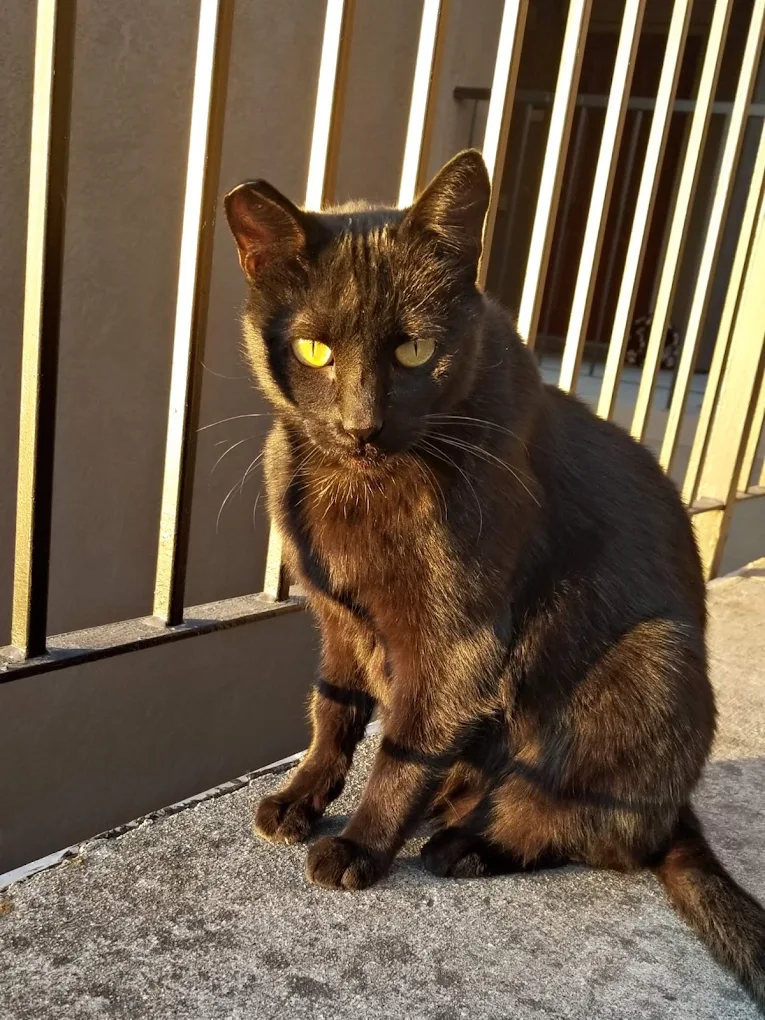
A feeding plan only works if it fits your kitchen and your week.
Nearly everyone underestimates the second number, because it includes the crusts from a child’s plate, the biscuit at the door, and the second dinner from whoever gets home first. None of that is a failing. It is what living with an animal looks like, and a feeding plan that ignores it is a plan that lasts about ten days.
Pet nutrition counseling is a veterinary consultation about what a dog or cat should eat, how much of it, and how often. It usually begins with a body condition score and a full account of everything the animal currently receives, then produces a measured feeding plan matched to the pet’s life stage, activity, and any medical condition it has.
Weight Management for Dogs and Cats in Elk Grove
Carrying extra weight is the most common nutritional problem we see, and it is the one with the widest consequences. Extra body weight loads the joints of a dog who already has early arthritis, makes anesthesia less straightforward, and is closely tied to diabetes in cats. It also creeps up slowly enough that nobody in the household notices, which is why we record a body condition score at every visit rather than relying on the scale alone.
A weight plan starts with an honest tally of everything going in, then sets a measured daily amount and a realistic rate of loss. Fast weight loss is not the goal and is genuinely risky in cats. Our team weighs your pet at intervals and adjusts, because a plan that stalls needs changing rather than more willpower.
At a glance
Pet nutrition counseling is a veterinary consultation about what a dog or cat should eat, how much of it, and how often. It usually begins with a body condition score and a full account of everything the animal currently receives, then produces a measured feeding plan matched to the pet’s life stage, activity, and any medical condition it has.
Building a Feeding Plan You Can Actually Follow
A custom feeding plan takes about as long to explain as it does to write, and the explaining is the part that makes it work. We will ask what you feed now, what brand and format, how much by measured cup or gram rather than by eye, who else feeds the animal, whether food is left down all day, and what training treats are being used.
From that we set portions, timing, and a treat allowance that fits your routine rather than replacing it. Multi-pet households get particular attention, because a shared bowl makes any individual plan impossible to enforce and separating feeding is usually the single change that makes everything else possible. You leave with the plan written down.
Life Stage Feeding
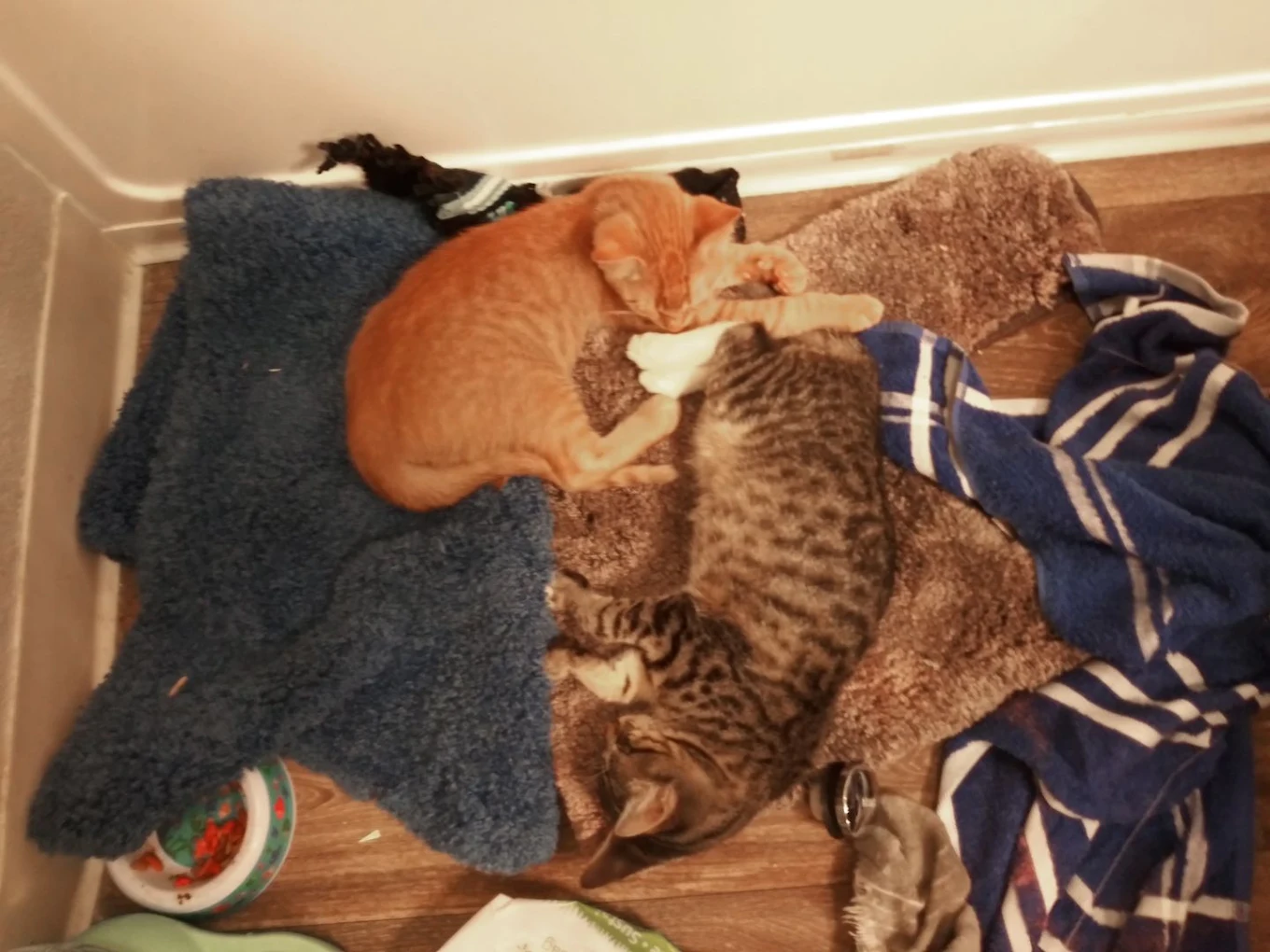
Nutritional needs change several times across a life. Puppies and kittens need growth formulations, and large breed puppies need one specifically balanced for controlled growth, because growing too fast is its own risk to developing joints. Adults need enough to hold a steady weight and no more, which is usually less than the bag suggests.
Older pets often need adjustments in protein, phosphorus, and calorie density, and cats in particular tend to lose muscle rather than fat as they age, so the animal can look thinner while the underlying problem is different from the one it appears to be.
Treats, Table Food, and the Rest of the Household
Treats are not the enemy, but they are frequently the arithmetic nobody has done. Ten percent of daily calories is a reasonable ceiling for treats, and a surprising number of dogs pass that before lunch. Some human foods are simply unsafe rather than merely fattening, including grapes and raisins, onions and garlic, chocolate, and anything sweetened with xylitol, and our pet resources page carries the poison control lines worth saving.
Where several people feed one animal, the useful trick is a single measured container filled each morning, so that everyone draws from the same daily allowance instead of each adding their own. Ask our team about raw feeding, home-cooked diets, or a grain-free product before switching rather than afterwards, and bring the label with you.
Common questions
Still not sure what your pet needs? Call us at 916-714-3333 and our front desk will help.
How do I know if my dog or cat is overweight?
Weight on its own tells you less than body condition. You should be able to feel the ribs easily without pressing, see a waist from above, and see a tuck from the side. Our veterinarians record a body condition score at every visit so the trend is visible over years.
How much should I actually be feeding?
Usually less than the feeding guide on the bag, which is calculated for an average active animal rather than yours. We work out a measured daily amount from your pet’s weight, body condition, age, and activity, and adjust it at rechecks.
Can I feed my pet a raw or home-cooked diet?
Talk to our veterinarians before switching rather than afterwards. Home-prepared diets can be balanced, but they frequently are not, and the deficiencies take months to show up. Raw feeding carries handling considerations too, particularly in households with young children or anyone with a weakened immune system.
My cat is losing weight but eating normally. Is that a nutrition problem?
It may not be. Weight loss with a normal or increased appetite is worth a full examination and blood testing, because several medical conditions present that way. Book a visit rather than changing the food first.
Book an appointment
Bring the food label and an honest list of everything your pet eats in a week, and our team will build a feeding plan around your household rather than an ideal one. Call Stonelake Animal Hospital in Elk Grove on (916) 714-3333 to book a nutrition consultation.